



Control Room Ergonomic Furniture
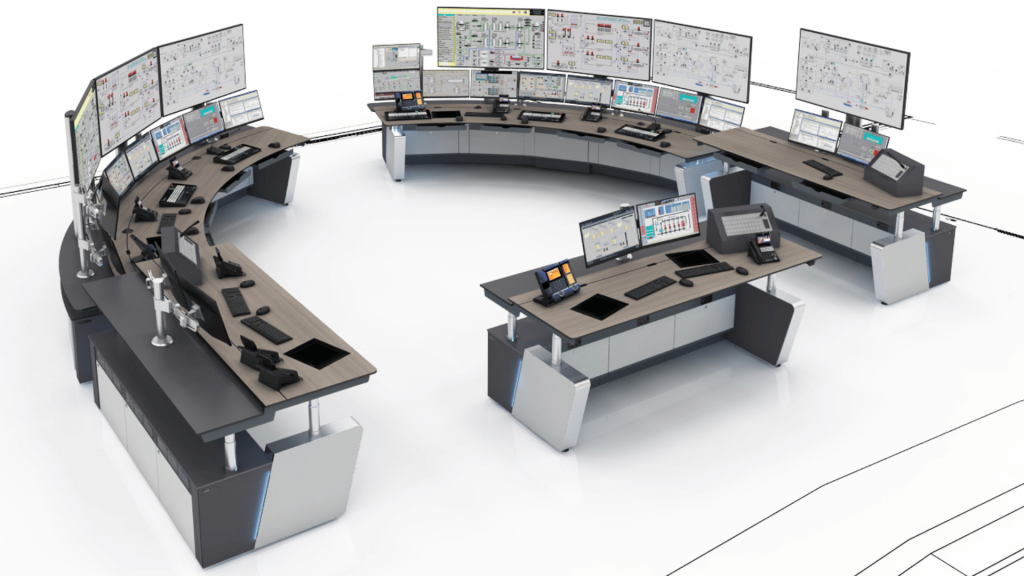
In mission-critical environments, furniture is not a finishing touch. It is part of the system.
Alberta supplies control room ergonomic furniture designed for operational spaces where visibility, responsiveness, comfort and durability matter every hour of the day. From security monitoring rooms and industrial control environments to transport operations and critical infrastructure, the right console layout helps teams work better, communicate faster and stay focused for longer.
Our approach is practical and performance-led. Every control room has different operational pressures, different technologies and different workflows. That is why control room furniture should never be treated like standard office furniture. It needs to support operator wellbeing, technology integration, clean cable management, sightlines, maintenance access and long-shift use.
Built for 24/7 control environments
Control room workstations operate in a very different way from conventional desks. They are expected to support multiple displays, specialist equipment, continuous supervision and operator efficiency over extended periods. International ergonomic guidance for control centres, including the ISO 11064 series, specifically covers layout, workstation dimensions, displays, controls and the wider control room environment.
Alberta’s control room ergonomic furniture solutions are suited to environments where uptime, clarity and operator performance cannot be compromised.
Key features of control room ergonomic furniture
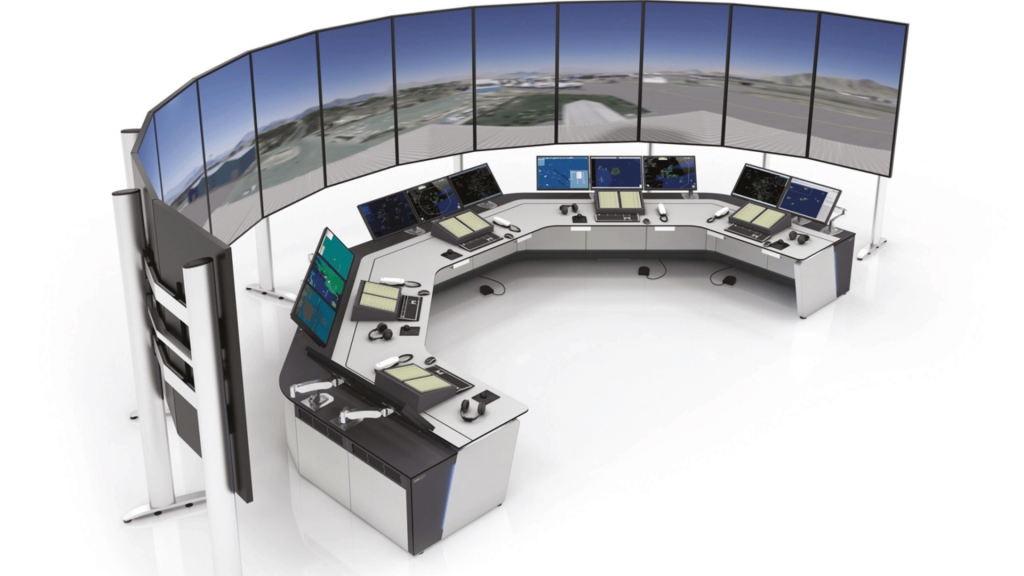
- Ergonomic operator positioning
Workstation layouts designed to support posture, reach, screen visibility and reduced fatigue during long operational shifts.
- Technology integration
Provision for multiple screens, communications systems, control interfaces, specialist equipment and structured cable routing.
- Clean sightlines across the room
Furniture configured to support supervision, collaboration and visual control without creating unnecessary barriers.
- Modular and scalable design
Layouts can be adapted for single-operator stations, multi-user rooms, phased upgrades and future expansion.
- Built for demanding environments
Suitable for control rooms that operate continuously and require a professional, robust and easy-to-maintain finish.
- Project-led planning
Furniture should align with room layout, equipment schedules, operator workflows and operational priorities from the outset.
Market sectors
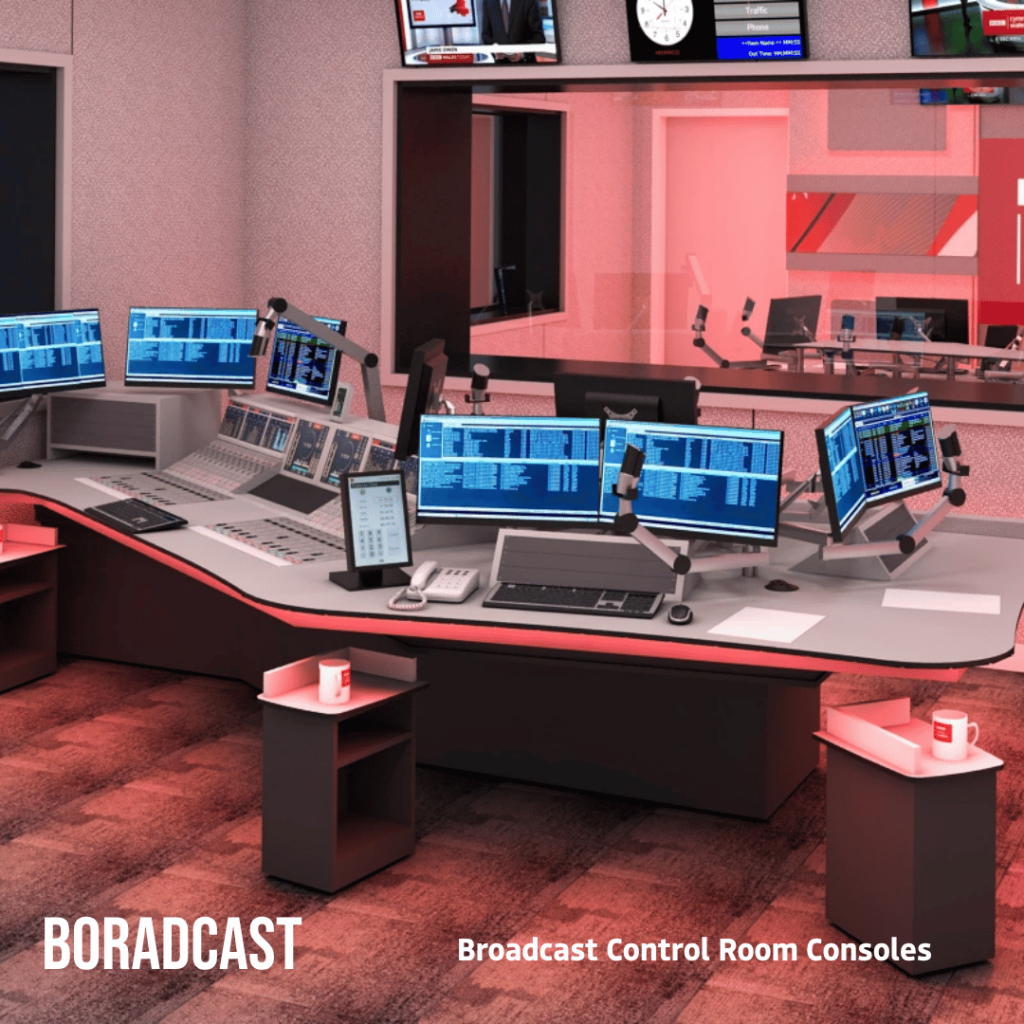
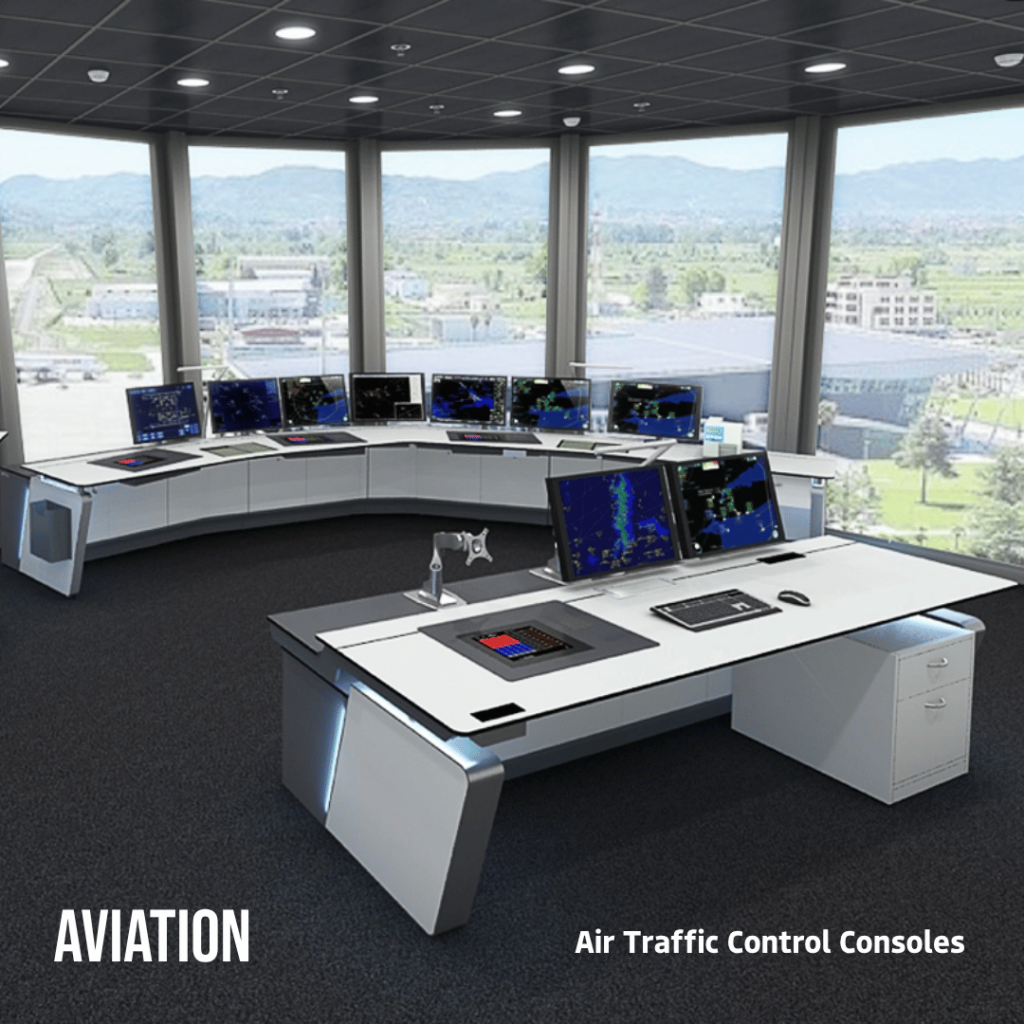
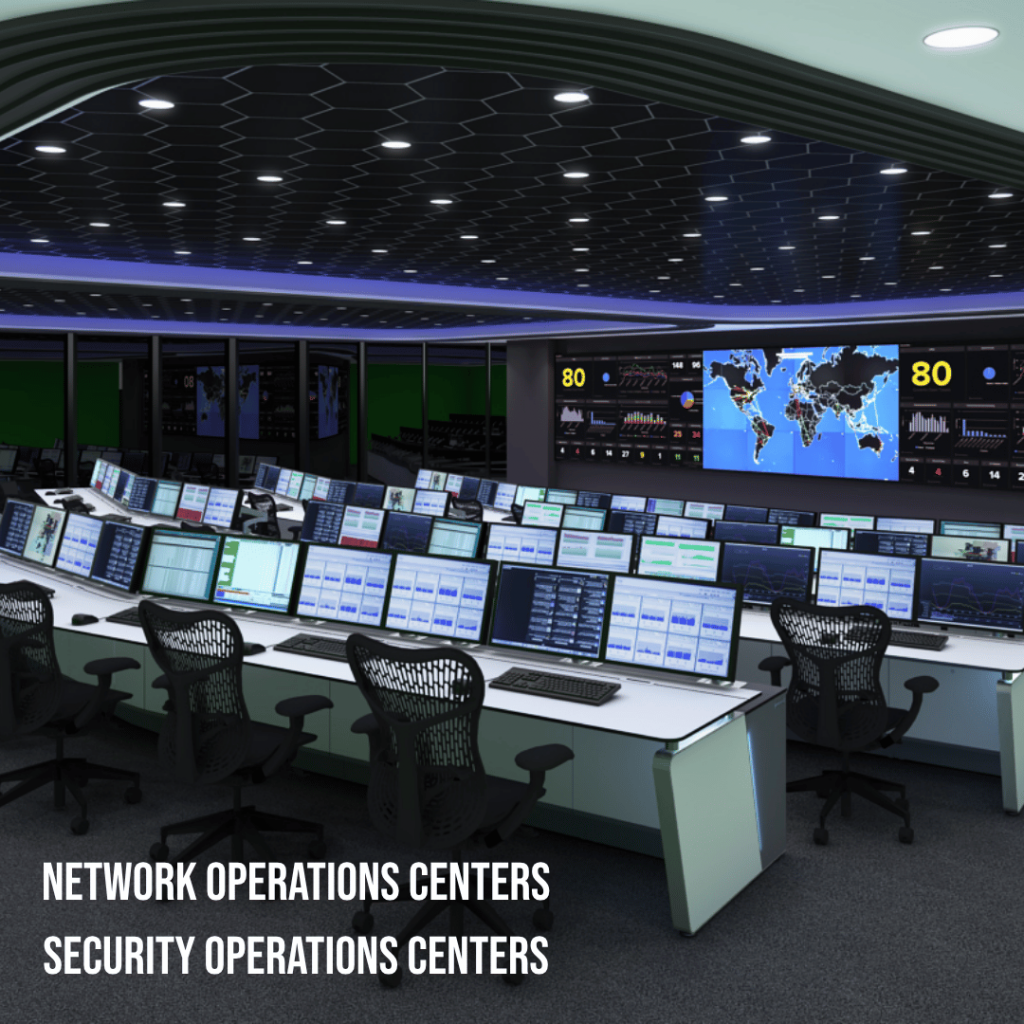
Drawing on the same sector logic used by specialist control-room manufacturers, Alberta can position these solutions across multiple mission-critical environments, especially where control, monitoring and incident response are central to operations.
Security Operations Centres
For CCTV monitoring rooms, GSOCs, command centres and integrated security control rooms, ergonomic furniture helps operators manage live feeds, alarms, access control and communications with less strain and better visibility. This is particularly relevant where Alberta is already supporting surveillance, access control and integrated security systems.
Critical Infrastructure & Utilities
Utility and infrastructure operators need control room furniture that supports continuous monitoring, alarm management and technical decision-making. These environments often require multi-screen configurations, dependable equipment integration and layouts that support focused work without clutter.
Industrial & Process Control
Industrial facilities, processing environments and technical operations rooms need control furniture that can support real-time monitoring, control interfaces and shift-based operations. In these settings, workstation design must balance operator comfort with technical function.
Transport, Ports & Traffic Management
Transport operations centres, port environments, traffic management rooms and mobility-related monitoring spaces benefit from furniture designed around visibility, communication and constant screen interaction. Aviation and transport are established use cases in the specialist control-room sector.
Emergency Response & Public Safety
Emergency coordination rooms and response centres require layouts that support teamwork, rapid decision-making and high-pressure workflows. Furniture in these spaces should promote communication while maintaining each operator’s working zone.
Broadcast & Media Monitoring
Broadcast is another long-established sector for specialist control-room console design, especially where multiple interfaces, communications tools and equipment racks need to be integrated into one operator environment.
Why ergonomic control room furniture matters
Poor workstation design creates friction that operators feel every day: screen strain, awkward reach, inefficient layouts, visual clutter and fatigue during long shifts. In control environments, that friction can affect concentration, communication and response time.
Well-designed control room ergonomic furniture helps organisations:
- improve operator comfort during long hours
- support clearer workflows and faster reactions
- integrate technology in a cleaner, more manageable way
- maintain a more professional and future-ready control room environment
- reduce disruption when expanding or reconfiguring the room
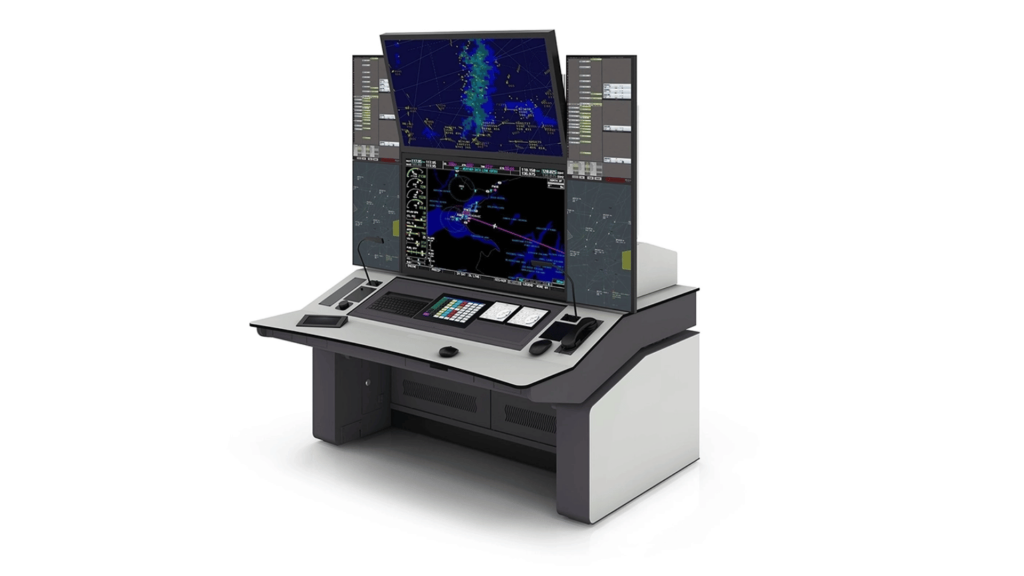
Alberta’s approach
Alberta understands that control rooms are not generic spaces. They are working environments where people, systems and decisions come together in real time.
Our role is to help clients create operational rooms that are functional, professional and fit for purpose — with ergonomic furniture that supports both the operator and the wider control room ecosystem. Whether the requirement is for a security operations room, a technical monitoring area or a broader command-and-control environment, the objective remains the same: create a workspace that performs under pressure.

Looking for control room ergonomic furniture in Malta?
If you are planning a new control room, upgrading an existing operations room or reviewing workstation layouts for a mission-critical environment, Alberta can help you develop a solution that is aligned with your technology, your operators and your operational demands.